









































Why Office Furniture Matters More Than Ever

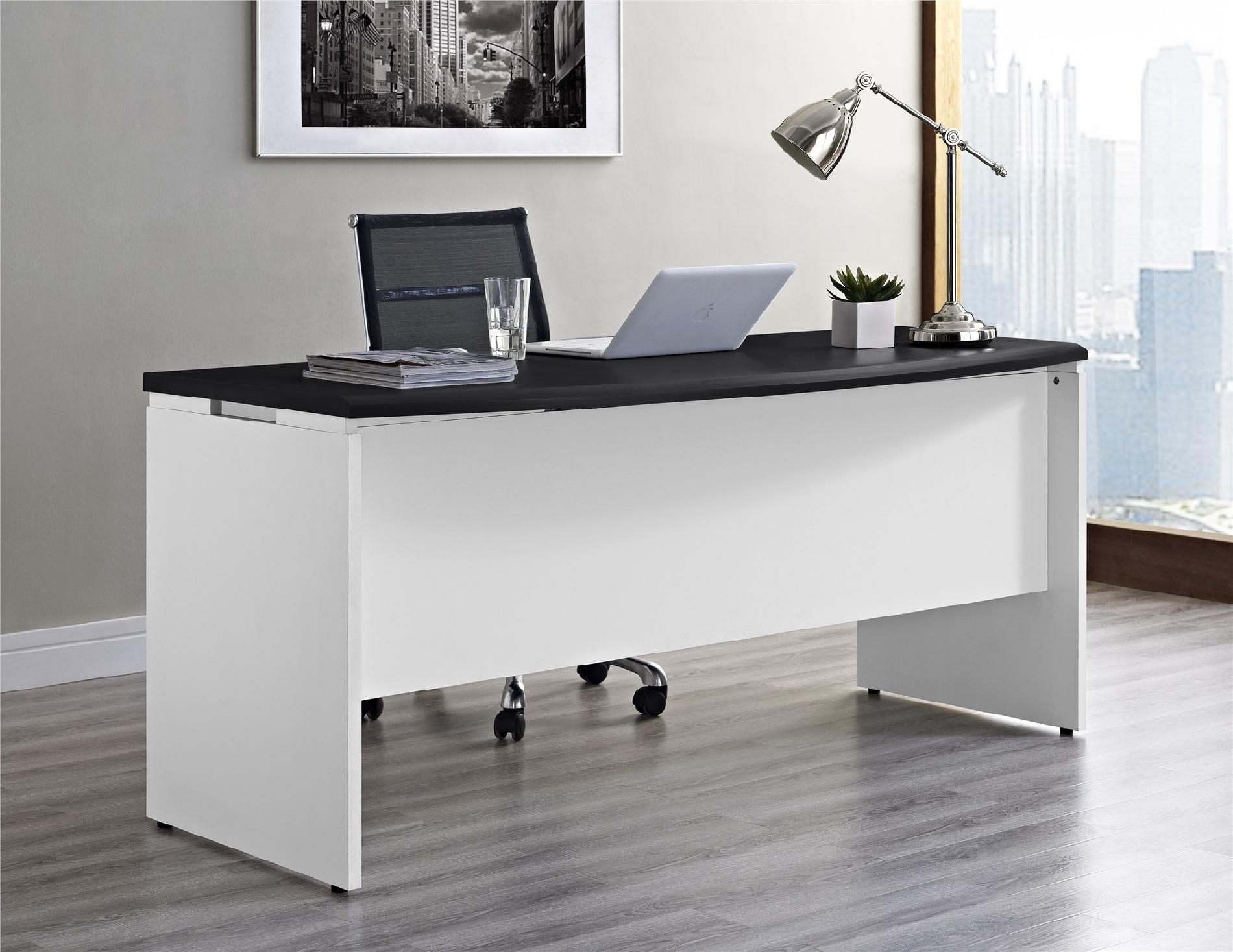
In todays fast-paced and increasingly remote-friendly work environment, the importance of office furniture has grown tremendously. Whether you operate from a corporate headquarters, a co-working space, or your own home office, the furniture you choose has a direct impact on your productivity, comfort, and even your physical health. Gone are the days when a basic desk and a chair would suffice. Now, businesses and individuals alike are investing in high-quality, ergonomic, and aesthetically pleasing office furniture to create inspiring and functional workspaces. This shift is not just a trend but a necessity, driven by a deeper understanding of workplace psychology and employee well-being. The modern work culture demands spaces that are adaptive, stylish, and, above all, supportive of both creativity and efficiency. Therefore, selecting the right office furniture is not just about looksits about designing a space that aligns with the professional goals and comfort of its users.
The Impact of Ergonomics in Office Furniture
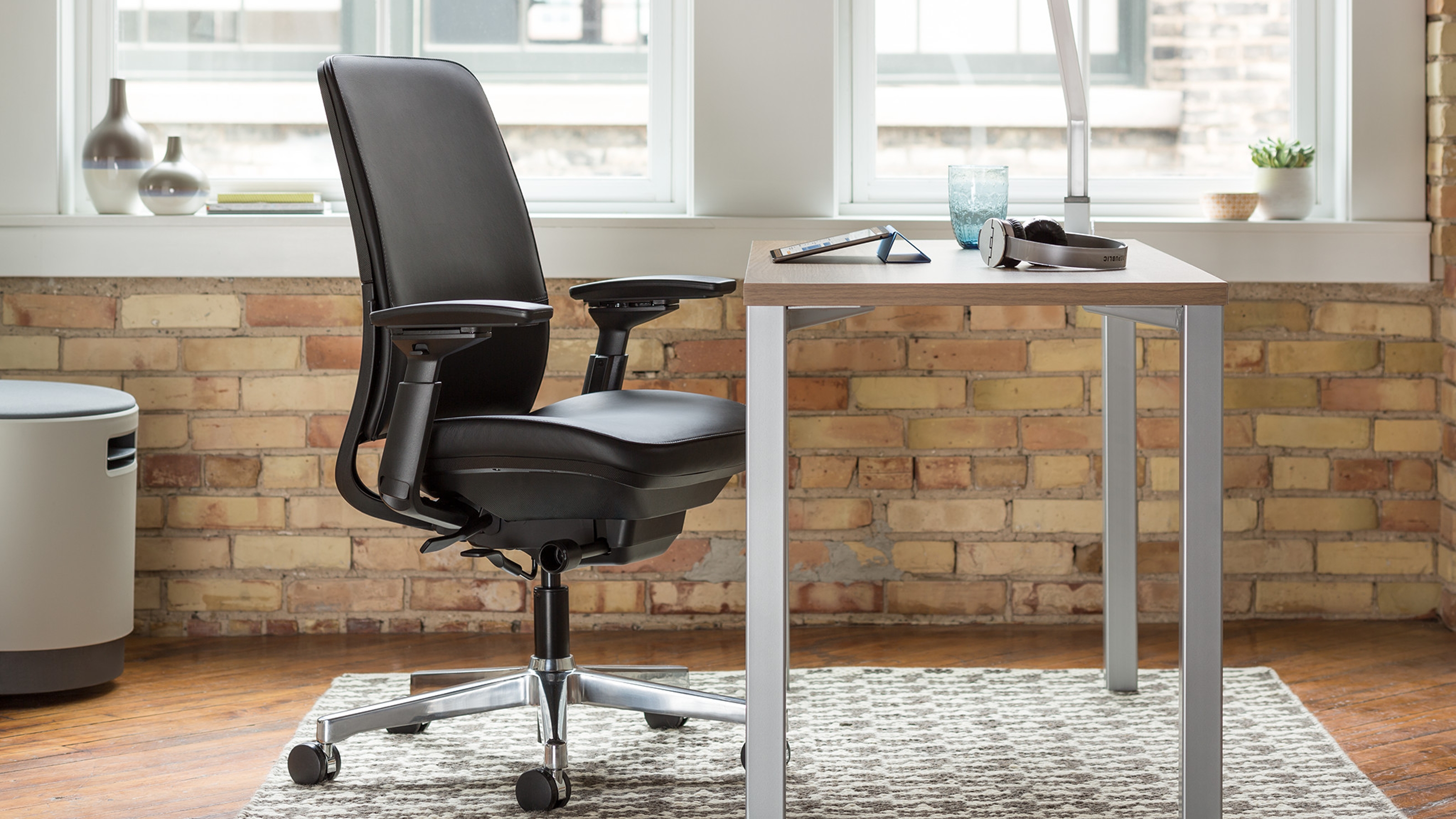
One of the most critical factors influencing the choice of office furniture today is ergonomics. Employees spend hours sitting at their desks, and poor seating can lead to a host of health problems including back pain, neck stiffness, and repetitive strain injuries. Ergonomic furniture is designed to reduce discomfort and support the bodys natural posture. Chairs with lumbar support, adjustable desks, and keyboard trays are all examples of furniture that help promote better body alignment. Studies have shown that ergonomic workspaces not only reduce physical strain but also improve concentration, reduce fatigue, and lead to greater job satisfaction. Investing in ergonomic office furniture is not just a health decisionits also a financial one, as healthier employees mean fewer sick days and higher productivity. With more businesses recognizing this, ergonomic design has become a staple of any professional environment aiming to support long-term employee wellness.
Aesthetic Appeal and Office Culture
Beyond functionality, the visual appeal of office furniture plays a significant role in shaping workplace culture. A well-designed office space can make employees feel valued and more engaged. Sleek, modern designs often convey innovation and efficiency, while warm, natural textures can evoke calmness and creativity. The aesthetics of your office furniture can communicate your brands personality and values to both employees and clients. Open-concept workstations, stylish reception areas, and collaborative breakout zones are no longer exclusive to tech startups; they are now mainstream elements in a variety of industries. Color, material, and style coordination create a cohesive atmosphere that enhances motivation and reduces workplace stress. This attention to aesthetics turns the workspace from a dull necessity into a vibrant place of productivity and interaction.
Multi-Functionality and Space Optimization
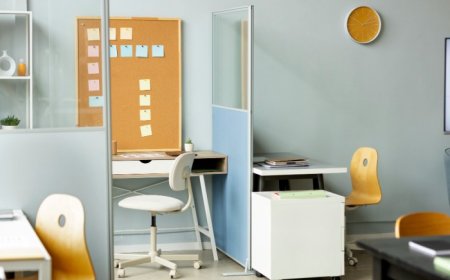
Another driving factor in the evolution of office furniture is space optimization. As real estate costs rise, especially in urban areas, companies are looking for ways to make the most of their available space. Multi-functional office furniture has become incredibly popular. For example, desks that come with built-in storage units, foldable conference tables, or modular seating arrangements allow for flexible layouts that can change according to needs. In smaller offices, every square foot counts. Space-saving furniture can help maintain a clutter-free environment that feels open and welcoming rather than cramped and chaotic. It also helps in supporting diverse work stylescollaborative areas for team efforts, quiet zones for focused tasks, and lounge-like corners for casual brainstorming. This adaptability not only improves the usability of the space but also enhances the employee experience by allowing them to choose the best setting for their work.
Sustainability and Eco-Friendly Office Furniture
With growing environmental awareness, sustainable office furniture is gaining popularity. More businesses are opting for furniture made from recycled materials, sustainably harvested wood, or non-toxic finishes. This shift is not just about reducing the environmental footprintits also about aligning with consumer and employee values. A sustainably furnished office sends a strong message about a companys commitment to the planet. Additionally, sustainable furniture often comes with better durability, meaning it can last longer and withstand the wear and tear of daily use. Eco-friendly office furniture also contributes to healthier indoor air quality, thanks to the use of low-VOC (volatile organic compound) paints, adhesives, and finishes. For businesses looking to attract top talent and clients who value social responsibility, investing in sustainable furnishings can be a strategic move that enhances both brand image and corporate culture.
The Role of Technology in Modern Office Furniture
Technology has made a significant impact on the design and functionality of office furniture. Smart furniture that integrates with digital tools is becoming more common in modern workplaces. Desks with built-in charging ports, adjustable height settings controlled via smartphone apps, and chairs with posture-correcting sensors are just a few examples of how tech and furniture are merging. These smart solutions not only improve convenience but also offer data that can be used to improve overall workplace efficiency and comfort. Moreover, as hybrid work becomes the norm, office furniture is being designed with flexibility in mindaccommodating both in-person and remote collaborations. Video conference pods, portable desks, and privacy screens are helping create adaptable work environments that support the fluid needs of todays workforce. Technology-integrated office furniture is not just a luxury anymoreits a competitive advantage in staying ahead of the curve.
Office Furniture and Employee Productivity
The correlation between a well-furnished workspace and employee productivity is well-documented. Comfortable seating, functional desks, proper lighting, and an organized layout significantly reduce distractions and physical strain. When employees feel comfortable and have access to the tools they need, they are more likely to stay focused, complete tasks efficiently, and collaborate effectively. Poor office furniture, on the other hand, can be demotivating and may lead to disengagement. Moreover, thoughtful office design that includes breakout zones, standing desks, and quiet areas can support various working styles and increase overall satisfaction. Employees who feel that their well-being is prioritized through smart office design tend to have higher morale and are more likely to remain loyal to their organization. Investing in quality office furniture isnt just about decorating a roomits a vital step in cultivating a culture of productivity and respect.
Conclusion
Choosing the right office furniture is more than just an aesthetic or logistical decisionits a strategic investment in the success of your workspace. From promoting employee health and productivity to reflecting your companys values and adapting to modern technological needs, office furniture plays a pivotal role in shaping work environments. Whether youre furnishing a startup studio or revamping a corporate headquarters, always consider comfort, functionality, design, and sustainability. At the heart of any productive office lies well-thought-out furniture that inspires collaboration, focus, and innovation. And when you think about creating a truly efficient and inspiring workplace, the name that brings it all together is none other than office furniture.





![Best Stock Market & Trading Courses in Delhi [2025]: Learn from the Top Institutes](https://www.bipdallas.com/uploads/images/202506/image_140x98_685a897e4b50b.jpg)