










































Key Features to Look for in an Ergonomic Office Chair

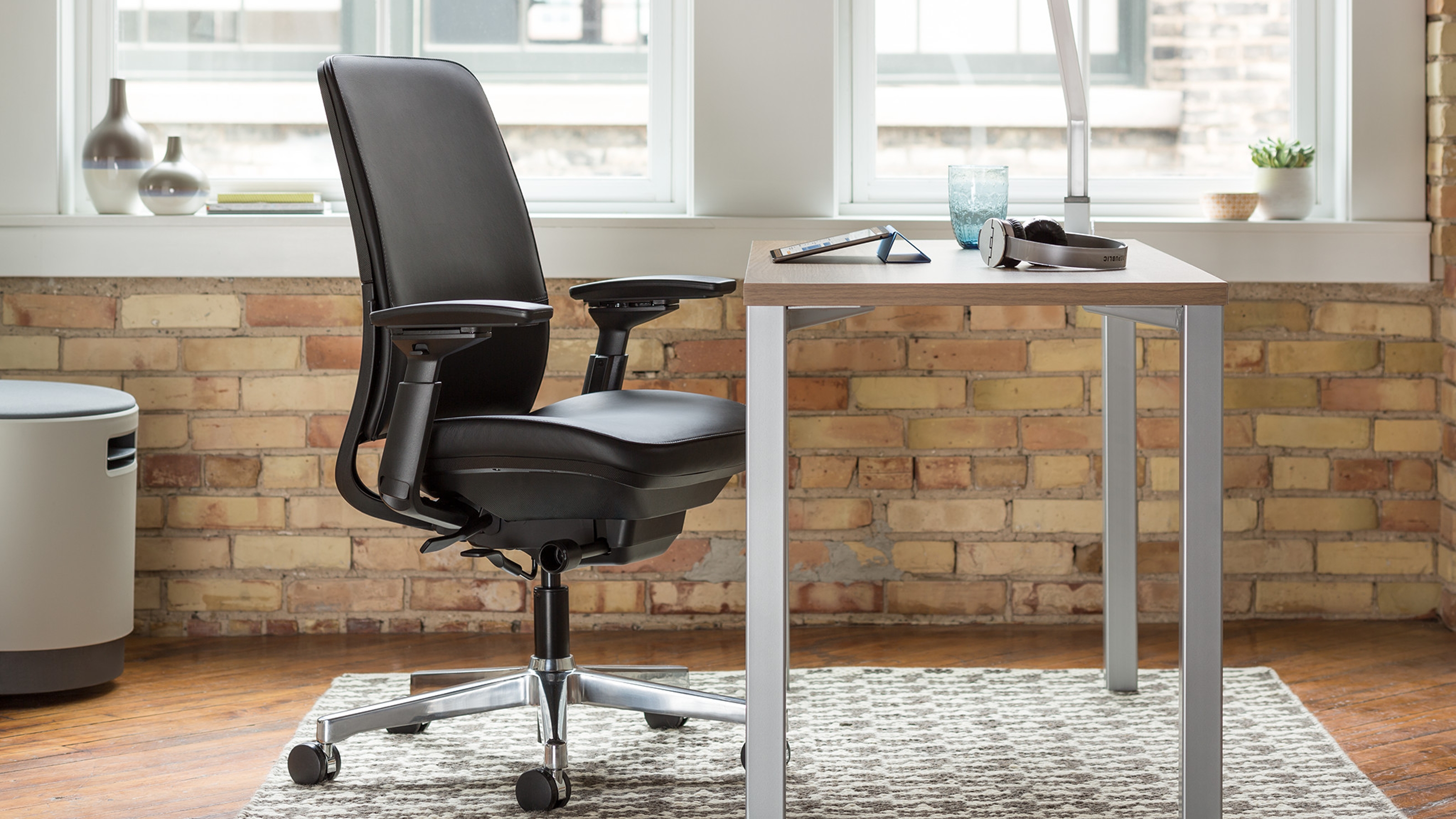
When shopping for an office chair, its essential to look beyond the appearance. Ergonomics should be the foundation of your decision-making process. An ergonomic chair supports your bodys natural posture and allows for movement while keeping you comfortable throughout the day.
Start by ensuring that the chair has adjustable seat height. This allows individuals of different heights to place their feet flat on the floor, maintaining a 90-degree angle at the knees. The seat depth should also be adjustable to accommodate various leg lengths, ensuring that the back remains fully supported while maintaining a few inches of space between the seat and the knees.
Lumbar support is another vital component. A good office chair will feature adjustable lumbar support to match the curve of your lower spine. Without proper support in this area, prolonged sitting can lead to slouching and increased pressure on the spine.
In addition, armrests should be adjustable in height and width to support the arms comfortably while typing or writing. Proper arm positioning reduces strain on the shoulders and neck. The backrest should tilt and lock in multiple positions to allow for reclining, which relieves spinal pressure and promotes blood flow. Together, these features contribute to a personalized sitting experience that supports long hours of focused work.
How the Right Office Chair Enhances Productivity
There is a direct connection between comfort and productivity. Employees who are physically uncomfortable are less likely to maintain focus, leading to reduced output and frequent breaks. A well-designed office chair minimizes discomfort and allows the user to work for extended periods without experiencing fatigue or pain.
Studies show that using ergonomic chairs can lead to a significant reduction in musculoskeletal complaints and an increase in work performance. When employees are free from distractions like backaches or poor circulation, they can fully concentrate on their tasks. An office chair that enhances comfort and support also encourages better posture, which is closely tied to increased energy levels and mental alertness.
Moreover, comfort in the workplace contributes to psychological well-being. Employees who feel physically supported by their equipment are more likely to feel valued and engaged. This emotional connection improves morale, reduces absenteeism, and fosters a healthy working environment.
The Role of Office Chair Design in Workplace Aesthetics
Aside from functionality, the visual appeal of an office chair contributes to the overall aesthetic of a workspace. Modern office chairs come in a wide range of materials, colors, and designs, allowing you to blend comfort with style. Whether youre designing a minimalist home office or furnishing a corporate boardroom, your choice of office chair can either elevate or detract from the space.
Mesh-backed chairs are increasingly popular due to their breathable design and contemporary look. They offer adequate ventilation, which is especially beneficial in warm climates or offices without strong air conditioning. Leather chairs, on the other hand, offer a classic, executive appearance that conveys professionalism and authority.
The base and frame of the office chair also contribute to its style and stability. Chrome and steel finishes provide a modern, polished feel, while wood finishes offer a traditional touch. The wheels, known as casters, should match the flooring surface to prevent scratches and ensure smooth mobility.
When design and ergonomics come together, you get a chair that not only performs well but also complements the interior decor, creating a cohesive and visually appealing workspace.
Best Practices for Office Chair Maintenance and Longevity
To ensure that your office chair remains functional and comfortable over time, proper maintenance is crucial. Begin by regularly cleaning the upholstery or mesh to prevent the buildup of dust and grime. Fabric chairs can be vacuumed and occasionally spot cleaned, while leather chairs require special conditioners to retain their softness and avoid cracking.
Check the wheels and base frequently for signs of wear. Hair and debris can accumulate around the casters, limiting mobility. Periodically flip the chair over and clean the wheel area with a brush or cloth. Lubricate the moving parts, especially the tilt mechanism and height adjustment lever, to ensure smooth operation.
Tighten any screws or bolts that may become loose with extended use. Regular maintenance not only keeps your chair looking new but also ensures that its ergonomic features function properly. With a little care, a high-quality office chair can last for many years, delivering consistent support and performance.
Conclusion: Invest in Quality for Comfort and Health
Choosing the right office chair is a decision that affects your health, comfort, and productivity. Whether you're working in a home office or a corporate setting, a thoughtfully designed chair can make your daily work life significantly more enjoyable and efficient. From ergonomic support and adjustability to design and durability, each feature plays a role in creating a better work environment.
In todays dynamic work culture, where employees often spend eight or more hours seated, cutting corners on furniture is not a wise decision. Your chair should support not only your body but also your performance and mental well-being.
For individuals and businesses alike, investing in a quality office chair is an essential step toward building a healthier and more productive work environment.