








































Top Mistakes to Avoid When Shopping for Used Tractors for Sale

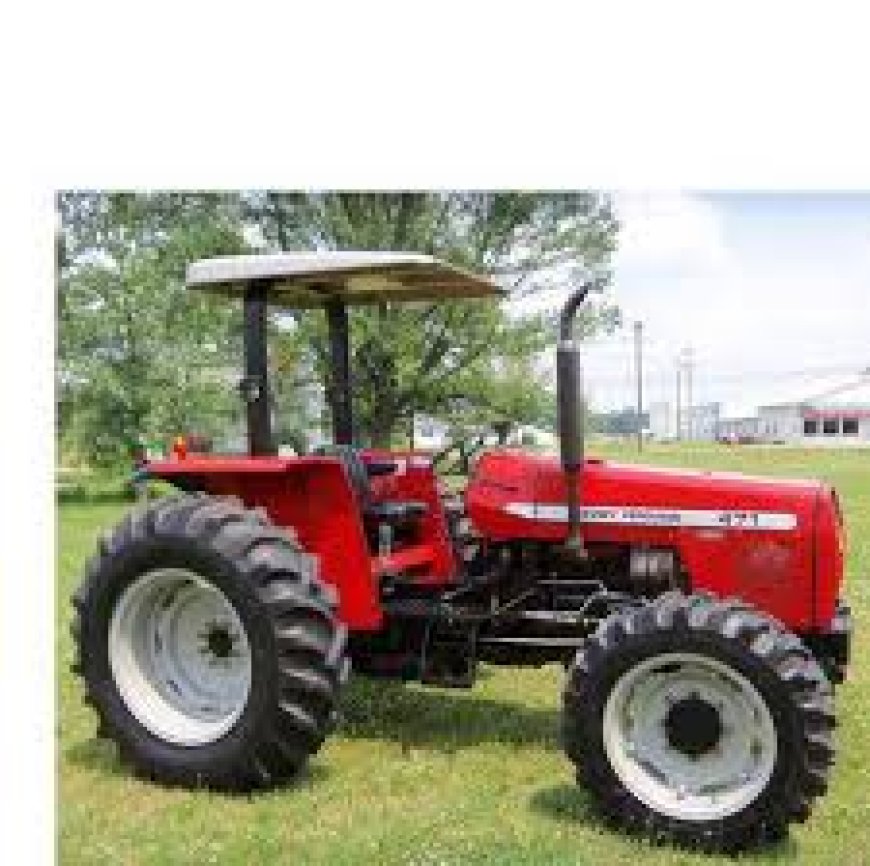
When it comes to farm equipment, purchasing used can be a smart move especially with the high costs of buying new. However, shopping for used tractors for sale comes with its own set of challenges. While you may save money up front, the wrong purchase could lead to costly repairs or underperformance in the field. Whether you're a seasoned farmer or just starting out, avoiding the common pitfalls associated with buying used tractors is essential for a smart investment.
In this guide, well explore the top mistakes buyers make when browsing used tractors for sale and how to avoid them.
1. Not Understanding Your Needs
One of the biggest mistakes buyers make is shopping for used tractors without fully understanding their own operational needs. Tractors come in various sizes, horsepower ranges, and functionalities. Choosing a model simply because its available or affordable without considering your farm size, terrain, and attachments can lead to inefficiencies.
Ask yourself:
-
How much land will I be working with?
-
What types of jobs will the tractor perform (plowing, mowing, hauling)?
-
Do I need PTO (Power Take-Off) or hydraulic capabilities?
Defining your needs first ensures that the used tractor you buy will support your work without compromises.
2. Ignoring Maintenance History
Every used machine has a storyand not all are good. When shopping for used tractors for sale, failing to request and review maintenance records is a major oversight. A lack of regular servicing or a history of unresolved issues can mean hidden problems down the road.
Always ask for:
-
Service records and receipts
-
Details on any repairs or part replacements
-
The previous owners usage patterns (hours of operation, type of work)
Well-documented maintenance history can give you peace of mind and help predict future upkeep costs.
3. Overlooking Tractor Hours
Tractor hours are the equivalent of mileage in a car. While a well-maintained tractor with high hours can still be a good purchase, blindly ignoring hour readings is risky. Typically, tractors with over 5,000 hours may start to show signs of wear depending on the model and how well they were maintained.
Dont just look at the hourslook at the type of hours. Was it light mowing or heavy tilling? Understanding usage patterns will provide better insight into the machines condition.
4. Skipping a Visual Inspection
Its tempting to jump at a deal you find online, especially if it's priced below market value. But buying a tractor sight-unseen is one of the most commonand dangerousmistakes. A detailed in-person inspection is essential before finalizing any purchase.
Check for:
-
Leaks (oil, fuel, hydraulic fluid)
-
Cracks or wear in the frame
-
Tire condition
-
Rust, especially on the undercarriage or hydraulic fittings
-
Wear on the seat, pedals, and levers (which can suggest heavy use)
Bring along a trusted mechanic if youre unfamiliar with what to look for.
5. Forgetting to Test Drive
You wouldnt buy a used car without a test driveand the same goes for tractors. Operating the machine gives you a feel for the controls, response, engine performance, and hydraulic systems. Listen for odd noises, monitor smoke levels, and check how smoothly it shifts and turns.
Testing the tractor also gives you a chance to test implements, if included, and ensure all features work as expected.
6. Not Researching Market Value
If youre not familiar with the current market value of used tractors for sale, you may end up overpaying or being misled. Prices can vary widely depending on brand, model year, condition, and location.
Use online marketplaces, local dealers, and agricultural forums to compare similar models. Knowing the going rate helps you negotiate from a place of strength and spot a deal thats too good to be true.
7. Neglecting Compatibility with Attachments
Many buyers focus solely on the tractor itself and forget to consider the attachments they already own or plan to use. Not all tractors are compatible with every attachment type.
Make sure:
-
The PTO shaft matches your equipment
-
The hydraulic system supports necessary implements
-
Hitch size and type are compatible with your existing tools
Buying a tractor only to find your attachments wont work can lead to extra expenses or performance limitations.
8. Skipping Dealer Reputation Check
Not all sellers are created equal. Whether youre buying from a private seller or a used equipment dealer, take time to verify their reputation.
Look for:
-
Online reviews and ratings
-
Word-of-mouth recommendations
-
How long theyve been in business
-
Return or warranty policies (if applicable)
Reputable sellers often provide better customer service, detailed records, and are less likely to sell faulty equipment.
9. Not Asking About Warranties
While most used tractors are sold as is, some dealerships may offer short-term warranties or service plans. Not asking about these options means you could miss out on valuable coverage that might save you money on early repairs.
Even a 30-day warranty can be worth it, especially if the tractor starts showing issues shortly after purchase.
10. Rushing the Purchase
Finally, many buyers make the mistake of rushing into a deal. The excitement of finding a cheap option can cloud judgment. But tractors are major investments, even when used. Take your time, do your research, and compare several units before making a decision.
Final Thoughts
Shopping for used tractors for sale doesnt have to be a gamble. By avoiding these common mistakes, you increase your chances of finding a reliable, affordable tractor that meets your needs and lasts for years. Prioritize research, inspections, and honest conversations with sellers to make a smart and confident purchase.





![Best Stock Market & Trading Courses in Delhi [2025]: Learn from the Top Institutes](https://www.bipdallas.com/uploads/images/202506/image_140x98_685a897e4b50b.jpg)