








































Importance of Office Table Design in Modern Workspaces


In the contemporary corporate landscape, the office table design has become more than just a utilitarian piece of furnitureit now plays a pivotal role in defining workplace aesthetics, productivity, and employee comfort. Companies across the globe are beginning to understand the psychological and physical effects of office furniture on their teams. The right office table can boost morale, improve posture, and encourage better organization, which leads to improved performance. When people feel comfortable and supported, they are naturally more productive and less prone to distractions. Office environments with thoughtfully selected table designs show a direct correlation with higher job satisfaction and lower turnover rates.
A well-chosen office table design reflects the culture and values of the business. Whether the aim is to project sophistication, creativity, or efficiency, the office table is often one of the first things clients and employees notice. From sleek glass surfaces for high-end tech firms to rustic wood finishes for creative agencies, the diversity of options helps align the interior look with the brand identity. Moreover, with the rise of remote work and hybrid models, organizations are revamping their workspaces to be more flexible. In this context, modular and ergonomic office table choices are more relevant than ever before.
Popular Materials and Finishes in Office Table Design
Material choice is a crucial aspect of selecting the ideal office table design. It impacts not only the appearance but also the durability and functionality of the table. Wooden office tables remain a classic favorite, particularly because of their timeless look and strong construction. Solid wood or veneer finishes add a touch of elegance while ensuring longevity. On the other hand, metal-framed office tables with powder-coated finishes are gaining traction due to their industrial aesthetic and durability.
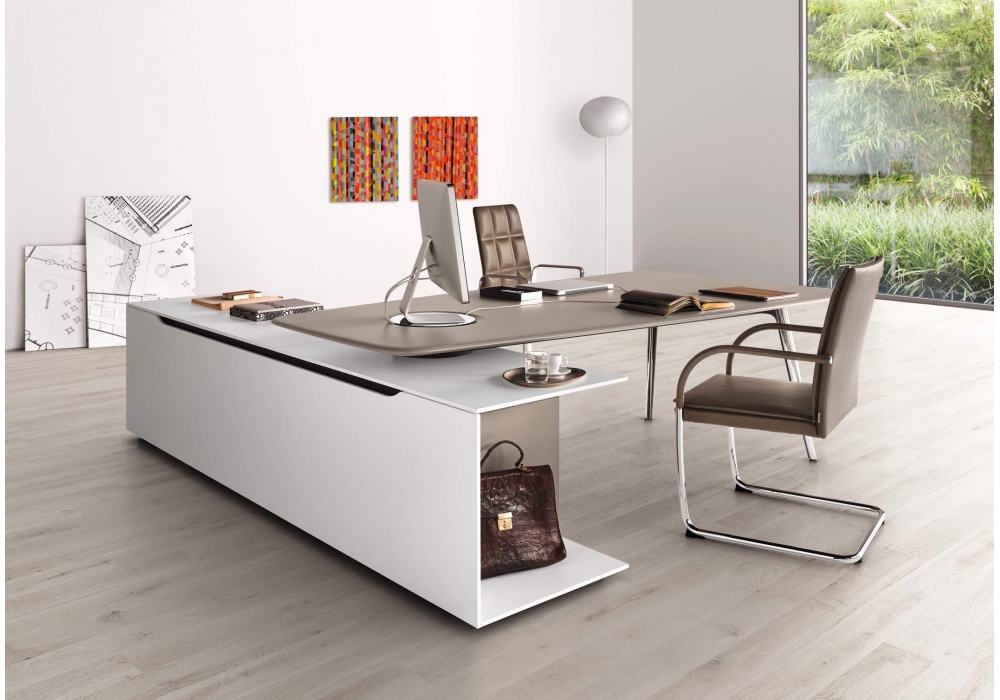
Glass-topped office tables, often used in executive cabins or conference rooms, lend a sleek and contemporary look. These tables typically combine metal or chrome legs with tempered glass surfaces to create a modern ambiance. For workstations and collaborative zones, laminate surfaces are widely used because they offer resistance to scratches, are easy to clean, and are cost-effective. Modern office table designs often mix materialsfor instance, a wooden tabletop with metal legsto achieve a stylish yet sturdy build.
Aesthetics aside, the material also influences how employees interact with their workspace. A thoughtfully selected finish that minimizes glare, allows for easy maintenance, and complements lighting can dramatically enhance the work environment.
Ergonomics and Functionality in Office Tables
Ergonomics is now a non-negotiable factor when it comes to office table design. Poor posture resulting from incorrectly designed tables contributes to back pain, neck strain, and carpal tunnel syndrome. Modern tables are increasingly being designed to adapt to individual needs, such as adjustable height options and curved edges for wrist comfort. Ergonomically designed office tables consider ideal screen viewing distances, keyboard placement, and under-desk clearance for free movement.
Besides posture support, functionality is key. Drawers, cable management systems, charging ports, and built-in organizers help keep the workstation clutter-free. In open offices, L-shaped and U-shaped office table configurations help delineate personal space without sacrificing collaborative potential. Dual-monitor arms, under-desk CPU holders, and sit-stand features are becoming standard elements in modern workstations.
Flexible furniture also means easier scaling. For growing businesses, choosing modular office table designs allows quick reconfiguration based on team expansion or project-based work. In essence, a good office table enhances workflow, reduces stress, and complements digital needs in the modern workplace.
Office Table Styles That Suit Different Work Environments
The choice of office table design should align with the nature of work being done. Executive offices demand a more luxurious and commanding look, often featuring larger tables with classic wood finishes, leather inlays, and ample storage. These tables convey authority and professionalism while offering enough space for multitasking.
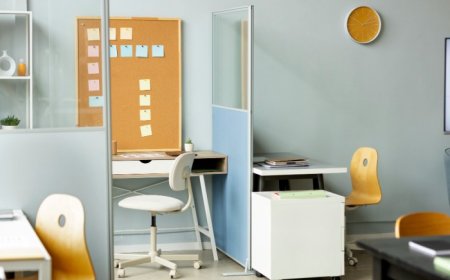
For collaborative environments, open-plan workstations or benching systems with sleek, minimalistic office table designs are popular. These often use lightweight materials and shared leg systems to promote space efficiency and teamwork. Meanwhile, creative agencies or design studios might opt for quirky, custom-made tables that encourage innovation and creativity through bold colors or unconventional shapes.
Reception areas benefit from compact yet stylish office tables that combine storage and branding elements. Round or oval meeting tables with central cable management features are ideal for conference rooms. Hybrid workspaces, where employees alternate between home and office, now demand versatile tables that can switch from a meeting station to a solo workstation with minimal effort.
The style you choose directly influences how people interact in that environment. A poorly matched table design can feel restrictive or even sterile, while a thoughtful selection can energize the team and facilitate communication.
Smart Office Tables and the Rise of Technology Integration
Technology is reshaping how we think about office furniture. Smart office table designs are being integrated with features like wireless charging pads, USB hubs, motion sensors for height adjustment, and even built-in Bluetooth speakers. With companies embracing digital tools, tables must evolve to support this new tech-forward culture.
Cable management is a common concern in tech-heavy offices. Built-in grommets, under-desk trays, and pop-up power outlets help keep the workspace tidy and prevent hazards. For conference tables, integrated HDMI, AV, and power ports streamline meetings by removing the need for long wires and clunky adaptors.
Adjustable-height office tables, powered by electric motors, allow employees to switch between sitting and standing positions throughout the day. This shift not only enhances physical health but also boosts mental clarity and productivity. As workplaces become more intelligent and interconnected, the office table is no longer just a surface to work onits a dynamic workstation tailored for optimal performance.
Sustainability in Modern Office Table Design
With a growing emphasis on environmental responsibility, businesses are prioritizing sustainable office table designs. Manufacturers are now using recycled wood, metal, and plastic to craft durable office tables with minimal environmental impact. Some brands have introduced biodegradable laminates or water-based adhesives to reduce toxic emissions during production.
Certifications like FSC (Forest Stewardship Council) and GREENGUARD ensure that the materials used in making office tables are sustainably sourced and low in chemical emissions. Offices that align their interior furniture with eco-conscious values not only attract environmentally aware clients and employees but also contribute to long-term savings through durable, low-maintenance designs.
Additionally, modular and upgradable furniture reduces the need for frequent replacements. Investing in long-lasting, eco-friendly office tables shows a companys commitment to both employee welfare and global well-being.
Conclusion: Investing in the Right Office Table Design Matters
In conclusion, the role of office table design extends far beyond functionality. It is about creating a workspace that reflects a brands identity, enhances employee performance, and adapts to evolving needs. From ergonomic comfort and space optimization to aesthetic appeal and tech integration, every element of an office table contributes to a holistic working experience. Whether you're furnishing a new office or updating an existing one, thoughtful table selection is a strategic investment in your companys future.
If you're ready to take your workplace design to the next level with stylish, ergonomic, and functional tables, Modern office table designs offers a wide array of premium options tailored to diverse business needs.