










































The Importance of Office Table Design in Modern Workspaces


In the evolving landscape of modern workplaces, office table design has become far more than just a functional consideration. Its now an integral part of a companys branding, employee productivity, and overall workplace culture. The right office table can impact everything from employee mood and collaboration to posture and long-term health. Today, businesses are making strategic investments in office table design to create flexible, inspiring, and ergonomic spaces that promote efficiency and innovation.
Office table design is about marrying aesthetics with function. In todays dynamic working environments, there is no one-size-fits-all solution. Startups may prefer compact, modular tables for collaborative setups, while law firms or financial institutions may prioritize executive-style tables that radiate authority and professionalism. These varying needs make office table design a highly personalized decision, influenced by brand identity, office size, budget, and the nature of work performed.
Key Trends Influencing Office Table Design
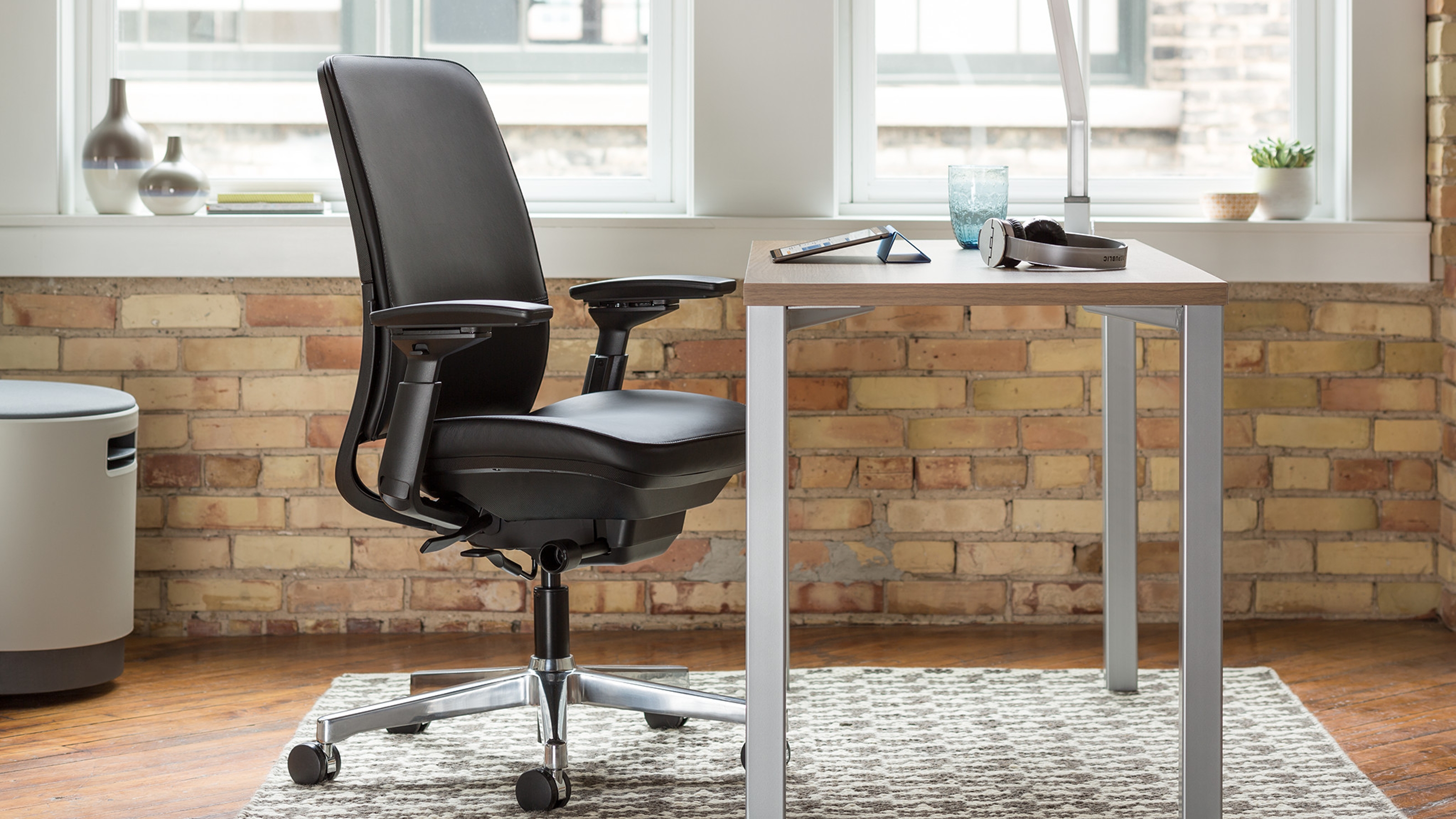
Workspaces today are seeing significant design shifts driven by changing work patterns and technological advancement. One of the most prominent trends is the focus on ergonomics. Office tables with adjustable height options are increasingly in demand, allowing employees to switch between sitting and standing throughout the day. This not only promotes better posture but also contributes to reduced fatigue and improved focus.
Another emerging trend is minimalist and clean design. Clutter-free workspaces enhance mental clarity and reduce stress levels. As a result, many organizations are opting for office table designs that feature sleek lines, hidden cable management systems, and integrated storage solutions. Additionally, the integration of technology has redefined the requirements for modern office tables. Wireless charging, built-in power outlets, and USB ports are now considered essential features rather than luxury add-ons.
Sustainability is also influencing office furniture choices. Companies are looking for eco-friendly materials, recycled wood, and sustainable manufacturing processes. Office table design is embracing this shift, with more manufacturers offering tables that are both stylish and environmentally responsible.
How Office Tables Impact Productivity and Collaboration
Office tables play a crucial role in influencing how teams interact and perform. An intelligently designed office table layout can foster better communication, encourage teamwork, and reduce hierarchical barriers. For instance, open-plan setups with large communal tables are ideal for teams that thrive on frequent interaction and brainstorming sessions.
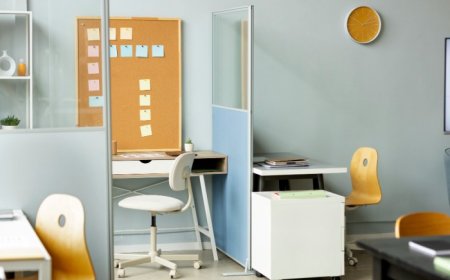
In contrast, private office tables designed with soundproof panels or separated zones are perfect for roles that require deep concentration and minimal distractions. The versatility in office table design helps businesses support a wide range of work styleswhether collaborative, individual-focused, or hybrid.
The shape of the office table also has psychological impacts. Round or oval tables often promote equality in discussions, as there is no "head of the table," making them suitable for team meetings or creative discussions. Rectangular or executive-style tables, on the other hand, convey structure and order, making them ideal for managerial roles or client-facing settings.
Choosing the Right Office Table Design for Your Business
When selecting the perfect office table design, businesses must first assess their functional requirements. Is the table meant for daily desk work, team meetings, hot-desking, or executive use? Understanding the core purpose will guide the selection process. Next, consider the dimensions of the space. An oversized table in a compact room can make the environment feel cramped, while a tiny table in a large room may look awkward and underutilized.
Materials and durability are equally important. High-quality finishes such as laminated wood, tempered glass, and powder-coated metals offer longevity and style. Meanwhile, the choice of color should align with the offices interior theme and the brands color identity. For instance, neutral tones like white, grey, or light oak provide a calm, clean ambiance, while bold shades like navy or matte black can add a touch of sophistication.
Also, storage is an integral component of office table design. Tables with drawers, shelves, or modular add-ons can help keep essentials within reach, minimizing distractions caused by clutter. Its also important to account for legroom, cable management, and accessibility for power sockets, especially for tables used in shared or collaborative environments.
Enhancing Employee Wellness Through Thoughtful Office Table Design
An often-overlooked aspect of office table selection is its impact on employee well-being. Tables that support poor posture or lack flexibility can lead to long-term physical issues such as back pain, carpal tunnel syndrome, and neck strain. Investing in ergonomically designed office tables with proper height and space for movement can significantly reduce these risks.
Moreover, the visual aesthetics of the office table influence mental well-being. An attractive and well-organized table can elevate mood and motivation, while cluttered or outdated furniture may cause a dip in morale. Elements such as smooth textures, appealing color palettes, and natural materials contribute to creating a workspace that employees genuinely enjoy being in.
Companies are now embracing biophilic design principles, incorporating nature-inspired textures and patterns into office table design. This approach not only improves the look of the space but also connects employees with nature, which is shown to reduce stress and boost productivity.
Future of Office Table Design in a Hybrid Work Era
With the rise of hybrid work models, the definition of the office has evolved. Many employees now split their time between home and office, making flexibility and adaptability vital in office furniture design. Office tables are being reimagined as multi-functional assets that can adapt to different users and purposes. Tables with wheels for mobility, collapsible structures for storage, and plug-and-play designs for digital tools are becoming popular.
Additionally, as offices are being used more for meetings and collaboration than individual work, shared and communal office table designs are gaining ground. These designs encourage creativity, spontaneous interactions, and a sense of community among team members.
Smart furniture is also emerging in the market, with office tables that track sitting time, monitor posture, or even sync with wellness apps. These innovations highlight the future-forward direction of office table designwhere form meets technology to improve overall workplace performance.
Conclusion
Choosing the right office table design is not just about aestheticsits a strategic investment that impacts employee productivity, health, and company culture. With the rise of new work models and increasing emphasis on wellness and flexibility, businesses must be more thoughtful than ever when selecting furniture that meets modern-day demands. From minimalist designs and ergonomic features to collaborative layouts and tech-integrated solutions, there are endless possibilities to create the perfect office environment. For those seeking high-quality solutions tailored to contemporary workspaces, Office table provides a reliable and innovative approach to meeting every workspace need with excellence.



![Best Stock Market & Trading Courses in Delhi [2025]: Learn from the Top Institutes](https://www.bipdallas.com/uploads/images/202506/image_140x98_685a897e4b50b.jpg)