































Steel Mashrabiya Designs in the UAE: Traditional Elegance, Modern Engineering
Steel Mashrabiya blends UAE’s cultural heritage with modern engineering, offering sustainable, elegant, and functional designs for today’s architecture.

The UAEs architectural identity is a fascinating blend of tradition and innovation. One design element that stands out across centuries is the mashrabiya, a decorative screen rooted in Islamic architecture. Originally crafted in wood, mashrabiya offered more than aesthetic beautyit provided shade, privacy, and climate control. Today, as the skyline of the UAE continues to rise with futuristic towers and smart cities, this historical element has been reinvented with modern materials and technologies.
Now made from precision-engineered metals, mashrabiya is experiencing a revival in urban design. Architects, developers, and government planners are turning to metal versions to integrate traditional aesthetics with high-performance faades. The use of SteelMashrabiya in commercial and residential buildings across Dubai, Abu Dhabi, and Sharjah is not only honoring the UAEs heritage but also addressing contemporary challenges such as solar gain, privacy in high-density areas, and sustainable cooling strategies.
The Cultural Heritage Behind Mashrabiya
The word mashrabiya comes from the Arabic root sharaba, meaning to drink. Traditionally, these wooden latticework screens were installed on windows and balconies, allowing airflow and cooling while preserving privacyparticularly important in the Gulfs cultural context. Found throughout the Middle East and North Africa, mashrabiyas were often crafted with intricate geometric and floral patterns, each symbolizing spiritual and artistic values.
In the UAE, preserving cultural identity in the built environment is essential. Government regulations and urban planning frameworks emphasize cultural continuity in modern structures. As a result, architects often reinterpret elements like mashrabiya in their designs to reflect both history and progress. Steel has become the material of choice for this reinterpretation due to its strength, durability, and adaptability to complex patterns.
Why Steel is the Future of Mashrabiya in the UAE
Traditional wood mashrabiyas, while beautiful, are not suited for large-scale, high-rise, or outdoor applications due to vulnerability to heat, moisture, and degradation. Steel, on the other hand, offers unmatched structural strength, corrosion resistance, and versatility in fabrication. It allows the creation of detailed patterns through laser cutting and CNC processes, making it ideal for both functional shading and ornamental purposes.
UAE-based fabrication companies now design and produce mashrabiyas that meet architectural, structural, and environmental requirements for modern projects. From airport terminals and government buildings to hotels and luxury residences, steel mashrabiyas are increasingly present in projects that seek to combine heritage with innovation. They provide thermal comfort by reducing direct sunlight, lower cooling loads in buildings, and offer a unique design signature for facades, balconies, and interior partitions.
Functional and Aesthetic Applications
One of the most significant advantages of steel mashrabiyas is their dual functionality. They provide practical benefits in terms of sun shading, airflow, and energy efficiency, while also enhancing the architectural beauty of a structure. In a region where temperatures can soar above 45C, building designs that support passive cooling are critical.
Steel mashrabiyas are widely used in:
-
Faade Cladding: Providing shade while allowing filtered natural light.
-
Balconies and Terraces: Ensuring privacy without blocking views.
-
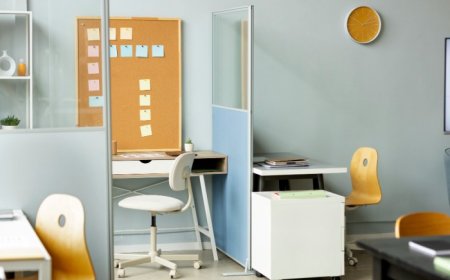
Interior Spaces: Serving as partitions in open-plan layouts or hotel lobbies.
-
Roof Screens and Pergolas: Offering a visually light but structurally solid shading element.
Many new developments in Dubai and Abu Dhabi incorporate steel mashrabiya panels into iconic towers and civic buildings. For example, the Louvre Abu Dhabi features a modern interpretation of latticework that echoes the mashrabiya concept, filtering sunlight into the building like rays through palm fronds.
Engineering Meets Artistry
Fabricating steel mashrabiya involves an advanced blend of design and engineering. Each project begins with detailed CAD models, often using parametric design tools to generate pattern variations that respond to environmental inputs such as solar angles or wind flow. These digital models guide laser cutting machines to execute intricate patterns with millimeter precision.
Fabricators in Dubai and Sharjah employ skilled technicians and designers who understand the delicate balance between structural performance and visual delicacy. Finishing techniques such as powder coating, anodizing, and galvanizing ensure long-term durability in harsh climates. With a range of colors, textures, and pattern options, developers can customize mashrabiya panels to align with brand aesthetics or cultural motifs.
The process also supports modular construction. Prefabricated panels are assembled on-site with minimal disruption, making them suitable for retrofits or fast-track developments. The result is a high-quality architectural feature that combines tradition, function, and modern fabrication methods.
Local Expertise, Global Standards
The UAE is home to several world-class metal fabrication companies specializing in architectural metalwork. With industrial hubs like Jebel Ali Industrial Area and Dubai Investment Park offering access to ports, skilled labor, and modern machinery, these companies can serve both local and international markets.
Choosing a local steel mashrabiya manufacturer has several benefits. Firstly, it ensures alignment with local regulations such as Dubai Municipality and Estidama standards. Secondly, local production shortens lead times and reduces costs associated with importing prefabricated panels. Thirdly, it allows greater control over quality, logistics, and installation.
Many fabricators also offer design consultation services, working closely with architects to create custom solutions that achieve both cultural resonance and engineering precision. Whether the project is a heritage-inspired mosque or a futuristic smart building, local providers understand the climate, aesthetic expectations, and construction timelines typical to UAE projects.
A Sustainable and Vision-Aligned Future
Steel mashrabiya aligns perfectly with the UAEs sustainability goals. As part of the country's Vision 2030 and Net Zero commitments, developers are looking for energy-efficient solutions that don't compromise beauty. Mashrabiya screens reduce solar heat gain and reliance on air conditioning, contributing to lower energy consumption in buildings. Moreover, steel is recyclable and can be repurposed at the end of its life cycle, supporting circular economy practices.
Additionally, the ability to integrate photovoltaic panels or smart shading mechanisms with steel mashrabiya makes it suitable for futuristic green buildings. For example, movable steel mashrabiya panels can be programmed to track sunlight and adapt shading in real-time, improving both occupant comfort and energy performance.
Conclusion: Bridging Past and Future
Steel mashrabiya is more than a decorative featureit is a powerful symbol of how the UAE blends cultural legacy with engineering excellence. As the country continues to build bold, smart, and sustainable cities, the integration of traditional elements into high-performance architecture becomes increasingly important.
Through modern fabrication, precise design, and local expertise, steel mashrabiya designs offer an elegant solution for buildings that aspire to reflect both heritage and progress. Whether you're designing a landmark commercial tower in Dubai or a serene cultural center in Sharjah, steel mashrabiya provides the timeless elegance and structural precision that defines the UAE's architectural future.




![Best Stock Market & Trading Courses in Delhi [2025]: Learn from the Top Institutes](https://www.bipdallas.com/uploads/images/202506/image_140x98_685a897e4b50b.jpg)