










































Right Work Table for Productivity and Comfort


A work table is more than just a surfaceits the foundation of your workspace, whether at home or in a corporate office. The right work table directly impacts your comfort, efficiency, and even posture. With the rise of remote work and hybrid office models, investing in a quality work table has become essential. It helps organize tasks, supports your devices, and enables a clutter-free environment. People often overlook the importance of ergonomics when selecting office furniture, but a well-designed work table can reduce physical strain, encourage better workflow, and even inspire creativity. While looks matter, the functionality of a work table should always be a priority. From minimalist desks to modular workstations, choosing a table that aligns with your tasks and space is key to long-term productivity.
Types of Work Tables and Their Purposes
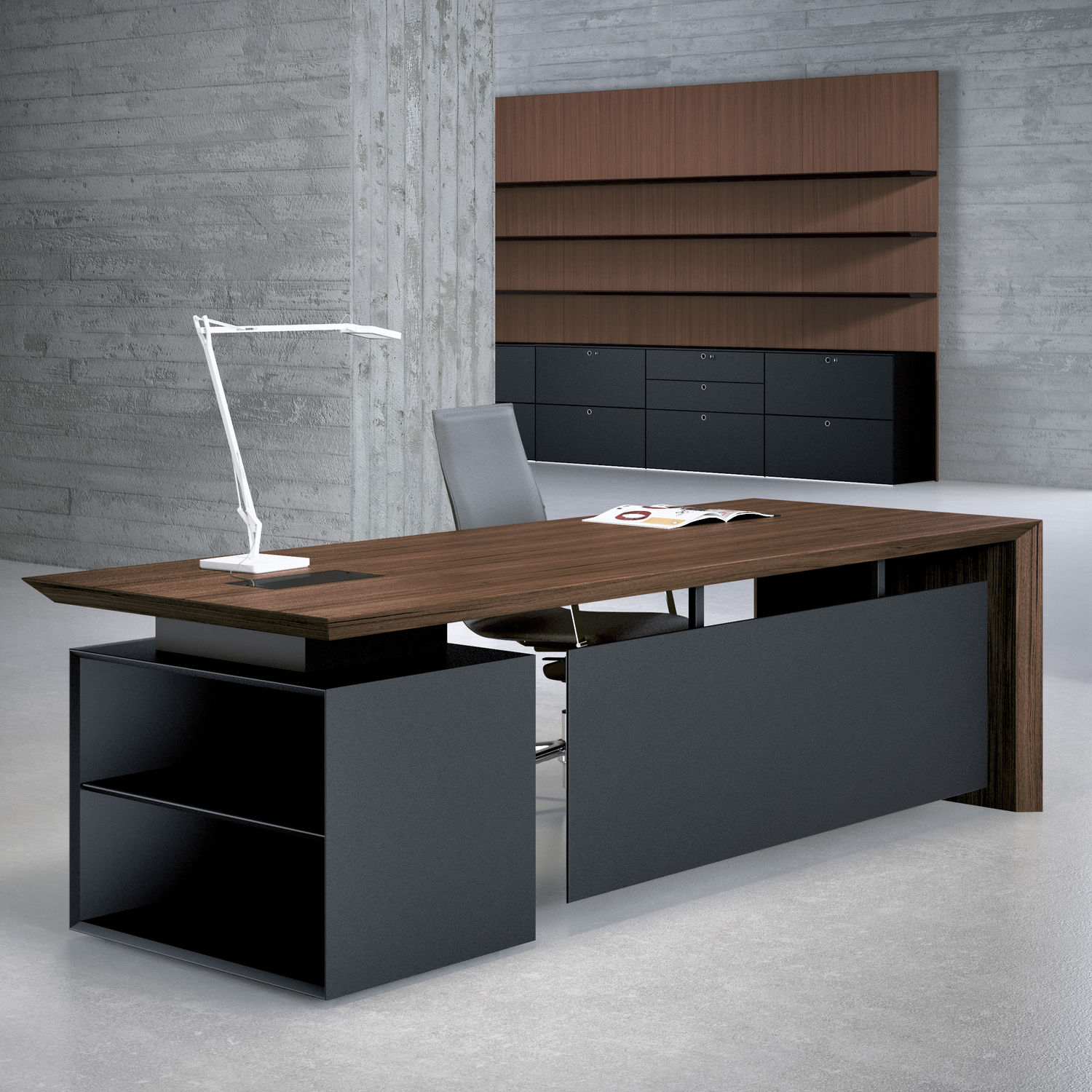
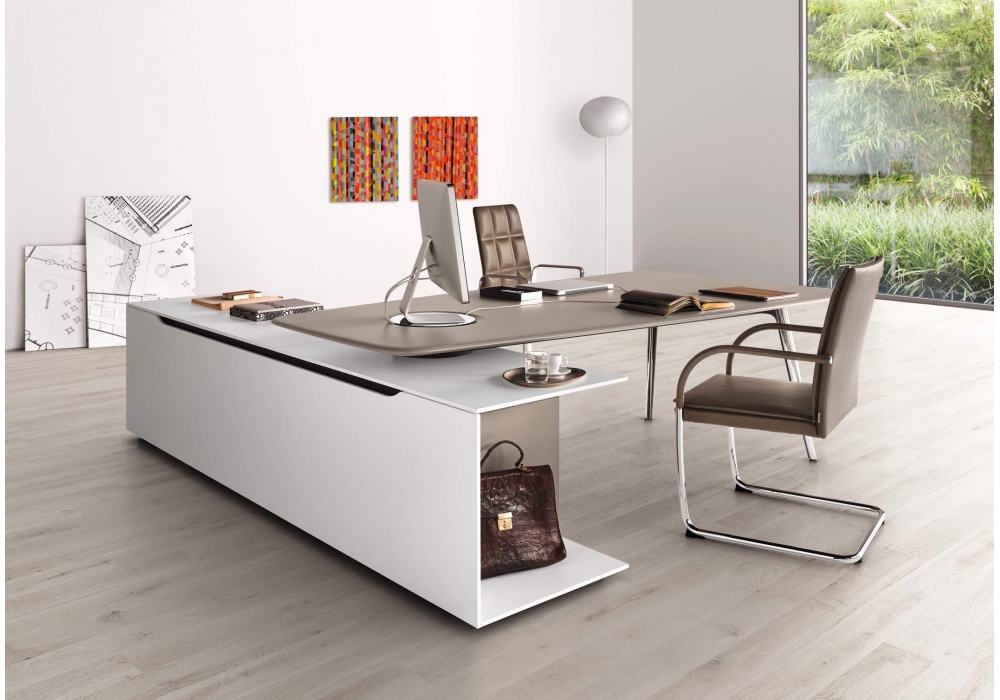
There are various types of work tables available today, each designed to fulfill specific purposes. Executive tables are ideal for high-level managers who need ample surface space, storage, and a professional appearance. Writing tables are minimal and compact, suitable for focused tasks like paperwork, journaling, or studying. Computer tables, on the other hand, are built to accommodate monitors, CPUs, and cable management systems. Adjustable height work tables are becoming increasingly popular due to their health benefitsthey allow users to alternate between sitting and standing positions. Collaborative work tables, commonly found in open-plan offices, promote teamwork and communication. These come in different shapes like round, rectangular, or L-shaped formats. Understanding the nature of your work helps in selecting the table that complements your daily routine.
Materials That Make a Difference
The materials used in crafting a work table can significantly influence its durability, maintenance, and appearance. Wooden tables are timeless and bring warmth and elegance to any space. Engineered wood options like MDF or particleboard are cost-effective while still offering decent strength. Metal-framed work tables provide a modern look and excellent stability, often used in industrial or creative settings. Glass-top tables add a touch of sophistication but may require more maintenance to keep fingerprints and smudges at bay. For heavy-duty work, such as in laboratories or manufacturing environments, stainless steel or heavy metal tables are preferred due to their robustness and resistance to chemicals or wear. When selecting a material, also consider its impact on weight, mobility, and aesthetics to ensure it suits both your function and interior design.
Ergonomics and Comfort in Work Table Design
Ergonomics play a crucial role in the design of a high-quality work table. An ergonomic table supports natural posture and helps reduce physical stress on the back, neck, and wrists. Features like adjustable height, pull-out keyboard trays, and appropriate legroom add to user comfort. The height of your chair and monitor should align with the table height to avoid slouching or strain. Work tables with rounded edges help prevent accidental bruises or scratches in tight spaces. Cable management solutions, built-in drawers, and modular components can further enhance the ergonomics by keeping the workspace tidy and reducing distractions. Investing in an ergonomic work table may have a higher upfront cost, but it pays off in terms of health, comfort, and productivity over time.
How to Choose a Work Table Based on Your Space
Space considerations are often the biggest constraint when choosing a work table. In small apartments or compact offices, a foldable or wall-mounted table might be the perfect solution. These options save space without sacrificing usability. If you have a dedicated home office, a larger desk with shelves and storage can be both functional and decorative. For shared work environments, modular work tables that can be easily rearranged offer maximum flexibility. Always measure the available space before purchasing and factor in room for chairs, drawers, and walking clearance. A well-placed work table should feel integrated into the room, not forced into a corner or blocking movement. Pay attention to natural light and electrical outlets too; placing your table near a window can improve mood and focus.
Work Tables for Different Professions
Different professions have different needs when it comes to work tables. Graphic designers and architects often require larger surfaces to spread out blueprints or sketch pads, so drafting tables with tilting tops are ideal. Software developers and IT professionals may need work tables with multiple monitor mounts, cooling vents, and integrated power sockets. Writers and content creators benefit from simple, distraction-free tables with adequate space for notebooks and laptops. Crafters and artists might prefer work tables with easy-to-clean surfaces, compartments, and adjustable features. Teachers working from home often need tables that support both tech and paper-based work. Understanding the specific demands of your profession will help you choose a work table that enhances your workday rather than hinders it.
Maintenance Tips to Extend the Life of Your Work Table
Proper maintenance of your work table ensures it stays functional and visually appealing for years. Regular cleaning with appropriate products keeps surfaces free of dust and stains. For wooden tables, using a wood polish occasionally helps maintain their finish. Avoid placing extremely hot or cold objects directly on the surface to prevent warping or discoloration. Use coasters and desk mats where necessary. For tables with moving parts like height adjusters or drawers, periodic lubrication can keep mechanisms smooth and noise-free. It's also wise to periodically check for loose screws or signs of wear that might compromise stability. Simple habits like decluttering and organizing cables can also preserve the surface and improve usability. A well-maintained table not only lasts longer but also provides a more enjoyable working experience.
Conclusion: A Worthwhile Investment for Every Workspace
A work table is an indispensable part of any productive environment. From material choices and design features to ergonomic considerations and space compatibility, selecting the right work table involves multiple factors. Whether you're working from home, in a co-working space, or managing a corporate office, your table should reflect your work style and support your daily activities. It's not just furnitureit's an essential tool for success. Investing in a high-quality, functional, and comfortable work table is a decision that pays long-term dividends in terms of efficiency and well-being. For those seeking durable and stylish options tailored to different needs, office furniture offers a wide selection of work tables designed for both form and function.




![Best Stock Market & Trading Courses in Delhi [2025]: Learn from the Top Institutes](https://www.bipdallas.com/uploads/images/202506/image_140x98_685a897e4b50b.jpg)