










































Office Table Design: Redefining Workspace Functionality and Aesthetics


The modern workspace is no longer just a place to sit and workit's an environment that influences productivity, creativity, and even employee morale. At the heart of this evolving office culture lies the office table design, which plays a critical role in shaping both form and function. Whether its a compact workstation for a startup or an executive table for a boardroom, the right office table is more than a piece of furniture; its a strategic element in workspace planning. In todays dynamic work environments, businesses are increasingly focusing on ergonomic, modular, and aesthetically pleasing office table designs that complement their company culture and operational goals.
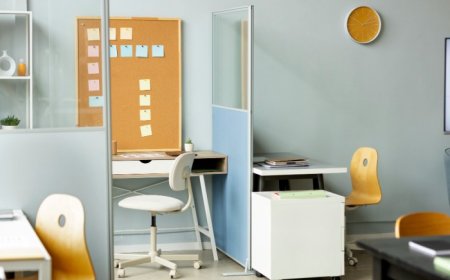
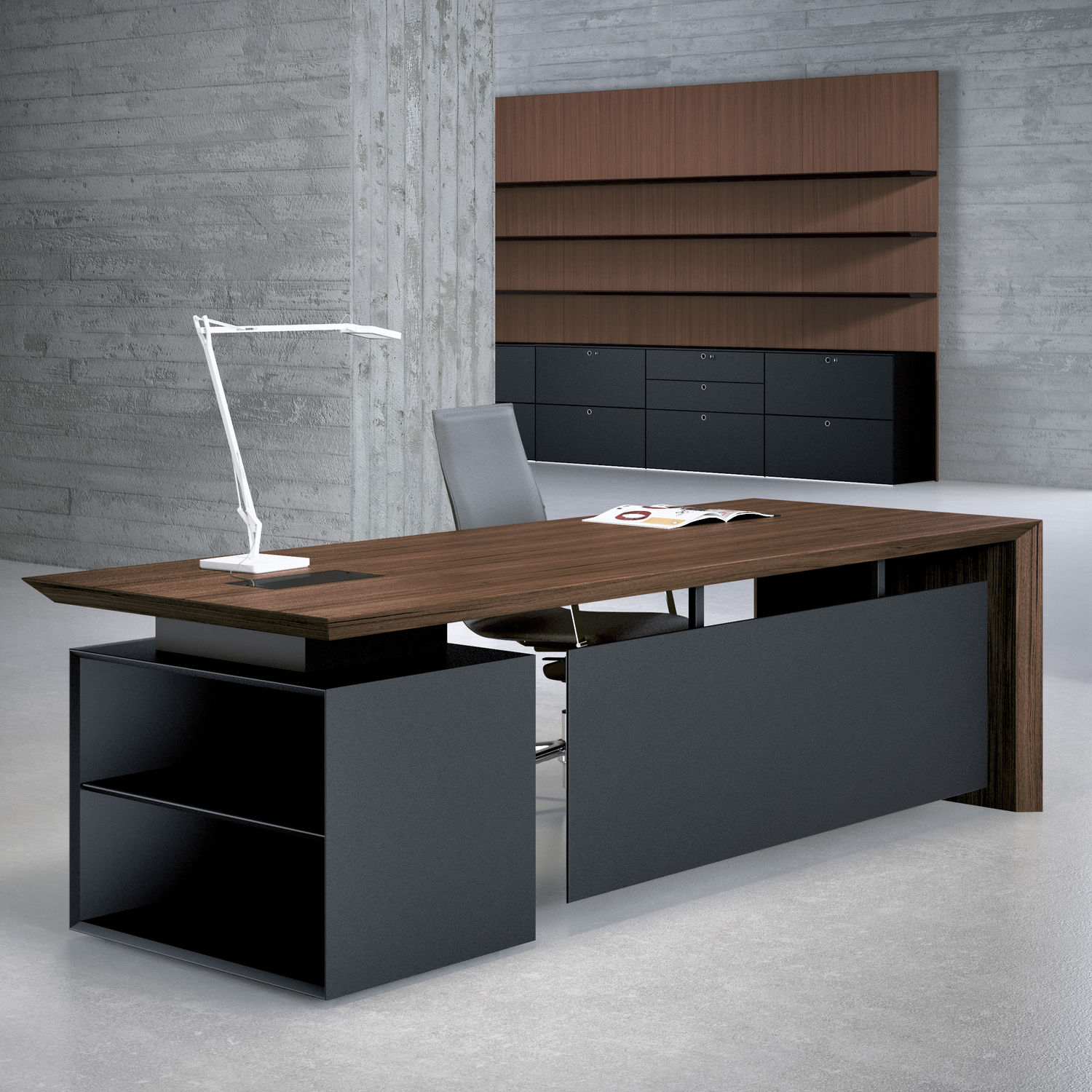
Office tables have transcended their traditional roles. Today, they come equipped with smart features like built-in cable management systems, adjustable heights, under-desk storage options, and even technology integration to support virtual meetings and collaborative work. In open office layouts, collaborative table designs are becoming popular, promoting a culture of teamwork and open communication. Conversely, in private office settings, elegant executive tables with ample surface area and luxurious finishes make a bold impression while still ensuring comfort. Choosing the right office table design requires a deep understanding of the nature of work, available space, and long-term needs, making it an investment worth planning carefully.
The Evolution of Office Table Design and Why It Matters
Traditional office settings were often rigid, with rows of desks aligned like classrooms. This outdated approach has now been replaced with flexible designs that support different working styles. The evolution of office table design mirrors the shift in work culture from task-based roles to creative, collaborative, and tech-integrated workflows. A well-designed office table can significantly enhance comfort and efficiency. For example, ergonomic designs that support proper posture can reduce physical strain, while flexible layouts can help teams reconfigure their space for brainstorming sessions or individual focus work.
The growing trend of hybrid and remote work has also pushed companies to invest in adaptable furniture that supports both in-office and remote teams. Portable office tables, folding designs, and mobile workstations allow organizations to utilize space more efficiently. Another major shift is the use of sustainable materials in office tables. Eco-conscious brands now offer recycled wood, low-VOC finishes, and modular components that can be reused or repurposed, minimizing environmental impact. The office table design you choose isnt just about aestheticsit sends a message about your companys values, priorities, and commitment to employee well-being.
Key Features to Look for in Office Table Design
When selecting the best office table design for your workspace, several key features must be considered. First and foremost is ergonomics. The right table height and layout prevent health issues like back pain and eye strain. Adjustable-height tables, also known as sit-stand desks, are increasingly popular as they support a healthier work lifestyle. Next is functionality. Think about cable management, legroom, drawer access, and the integration of monitor arms or keyboard trays. These features not only increase productivity but also keep the workspace clean and clutter-free.
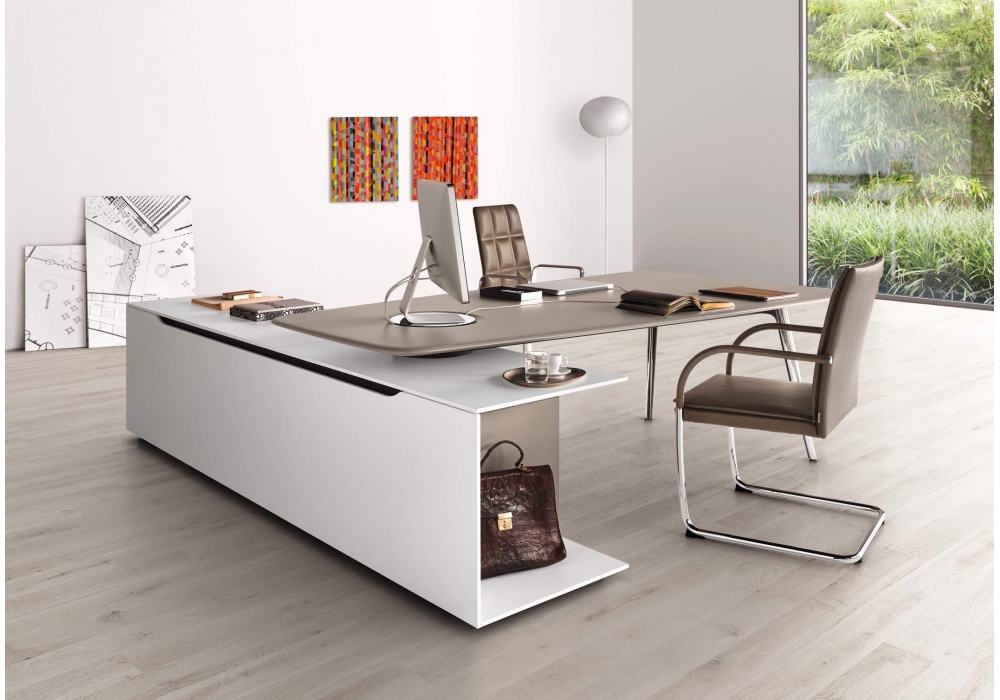
Aesthetic design is equally crucial. Your office table should blend seamlessly with the overall decor of your office. Whether your interior is modern minimalist, industrial chic, or classic wood-finished, the design of your office table must enhance the visual harmony of the space. Material choice also plays a major role. Metal frames, tempered glass tops, engineered wood, and high-pressure laminates all offer unique advantages in durability, style, and maintenance. Lastly, consider modularity. Tables that can be rearranged or combined for different team sizes and purposes provide long-term flexibility, especially as companies grow or change their operational style.
Space Planning and Layout Tips for Office Table Design
Proper space planning can dramatically affect the success of any office table design. Before purchasing furniture, assess the office layout carefully. For smaller offices, space-saving designs such as wall-mounted folding tables or compact corner desks may be ideal. In open-concept offices, placing collaborative work tables in central locations can promote team interaction while private work pods can provide quiet zones for focus. Consider traffic flow, natural lighting, and proximity to other essential office elements like printers, storage, and restrooms.
For large corporate setups, designing designated zones for meetings, collaboration, and solo work creates a structured but flexible environment. Conference rooms can benefit from elongated, U-shaped, or modular tables that can be rearranged depending on meeting requirements. Breakout areas with round or caf-style tables can also support informal discussions or brainstorming sessions. The success of any layout largely depends on aligning the office table design with organizational workflows and communication needs. Adding plants, artwork, or lighting can further elevate the ambiance and inspire productivity.
Customization and Branding Through Office Table Design
One of the biggest trends in office interiors today is customized office table design that reflects brand identity and company culture. Companies are investing in custom furniture that showcases their logos, brand colors, or unique design elements. This not only boosts brand visibility but also creates a more cohesive and personalized workspace. From custom leg frames to bespoke surface finishes, modern manufacturers now offer endless options to tailor office tables to your exact requirements.
Brand-driven design can also enhance employee belonging and client perception. When a new client enters your office and sees a workspace that aligns with your branding, it creates a memorable impression. Similarly, employees feel more connected when their work environment reflects the mission and values of the company. Custom office tables are also practical for unique spatial challenges. For example, if you have an irregular floor plan or a requirement for multi-purpose usage, custom office tables can be designed to fit those specific needs while maintaining aesthetic appeal.
The Role of Office Table Design in Boosting Productivity
Good office design isnt just about appearanceit directly impacts how people work. Studies show that well-designed workspaces, including thoughtfully planned office tables, can significantly boost focus, efficiency, and creativity. For instance, clutter-free surfaces supported by smart storage can reduce distractions. Proper height and spacing prevent physical discomfort. Tables designed for group work enhance collaboration, while individual desks with acoustic features support concentration.
The psychological effect of a beautiful and functional workspace shouldnt be underestimated either. Employees tend to be more motivated in an environment that is comfortable, organized, and visually appealing. Even simple changes like introducing more natural materials or soft rounded table edges can create a more welcoming and calming atmosphere. Choosing the right office table design helps set the tone for how work is approached on a daily basis. Its an essential piece of the larger productivity puzzle and deserves thoughtful investment.
Conclusion
In todays competitive business environment, office table design is a strategic factor that influences not just aesthetics, but also productivity, employee well-being, and brand identity. Whether you're furnishing a start-up co-working space, a large corporate office, or a home workspace, choosing the right table design involves balancing ergonomics, function, style, and scalability. As the way we work continues to evolve, office furniture must evolve with it. Choosing quality office tables that adapt to your needs and align with your culture can significantly enhance your workspace. For businesses that want to stay ahead and offer their teams the best work environment, investing in thoughtful and modern office table design is the way forwardand brands like Office furniture are helping lead that change with innovative solutions built for the future of work.



![Best Stock Market & Trading Courses in Delhi [2025]: Learn from the Top Institutes](https://www.bipdallas.com/uploads/images/202506/image_140x98_685a897e4b50b.jpg)