









































How to Style Interiors with Space and Comfort
Interior styling is not just about decoration it’s about creating comfortable, breathable spaces that reflect lifestyle and enhance daily living. With thoughtful planning, neutral colors, smart lighting, and multi-use furniture, interiors can feel more open and functional. The right approach balances beauty with utility, allowing even small spaces to feel spacious and welcoming.
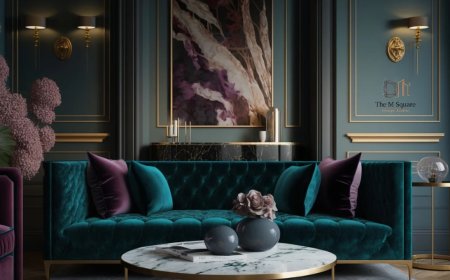
Styling a home is more than choosing colors or arranging furniture. A well-designed interior balances function with beauty, creating a comfortable space that reflects personality and supports daily life. In modern homes, especially those with limited space, good interior design makes a big difference. This blog explains how to style your home with both space and comfort in mind, using ideas that bring lasting value and ease.
Start with Understanding Your Lifestyle
A home should support the way you live. Start by identifying your daily habits and routines. Do you need a quiet area to work from home? Do your children need space to play safely? Do you host guests often? Knowing your lifestyle helps create a layout that naturally works for you. For example, if you entertain guests frequently, a larger living space with moveable furniture might suit you. For families with small kids, easy-to-clean surfaces and soft corners become essential.
Choose a Light and Neutral Color Palette
Light colors help small spaces feel bigger and brighter. Neutral tones like beige, light grey, and soft white create a clean, open canvas. They also allow other design elements such as art, plants, or rugs to stand out without making the room feel busy. A neutral base is also flexible and easy to update. You can introduce seasonal colors through accessories like cushions or throws, and switch them later without repainting or redoing furniture.
Use Texture to Create Warmth and Interest
Comfort often comes from the right combination of textures. Mixing different materials wood, fabric, glass, and metal adds depth to your space. Soft furnishings such as cushions, throws, and curtains add warmth. At the same time, materials like polished wood or metal bring a modern touch. Consider layering rugs, using wicker baskets for storage, or adding a textured wallpaper on one wall for visual interest.
Smart Furniture Placement is Key
Large or poorly placed furniture can make even big rooms feel tight. Always measure your room and pick pieces that fit properly. In small areas, wall-mounted desks, floating shelves, and foldable tables save space while maintaining style. Avoid blocking walkways or windows. The arrangement of furniture should allow easy movement. Keep seating areas close to each other for conversation and relaxation, and avoid scattering furniture all around.
Lighting Sets the Mood
Lighting is not just functional, it's also a design tool. Use layers of lighting to change the feel of a room. Start with general lighting from ceiling fixtures, then add task lighting with floor or table lamps. Accent lighting like LED strips under cabinets or behind shelves adds a stylish glow. Natural light should also be maximized. Keep window coverings light and simple so sunlight can brighten the room.Homes styled by The M Square often feature this layered lighting approach, combining elegant design with functional comfort. Their focus on real lifestyles is what sets their interior spaces apart.
Check out their:https://themsquare.com.pk/
Create Flow Between Rooms
Your home should feel connected. Use consistent colors, materials, or furniture styles across different rooms to create harmony. This doesnt mean every room must look the same but they should feel like they belong to the same home. You might use similar flooring, door designs, or curtain styles to tie everything together. This design flow improves the overall sense of space and comfort.
Use Mirrors and Glass to Expand Space
Mirrors reflect both light and space. When placed opposite a window, a mirror can double the natural light in the room. Glass tables or transparent chairs also give a sense of openness. These tricks are especially helpful in small apartments or narrow rooms. Consider mirrored cabinets, glass sliding doors, or even decorative glass shelves as design elements.
Storage Should Disappear into the Design
Good interior design hides clutter. Invest in smart storage solutions that blend into your dcor. Built-in shelves, beds with drawers, and storage benches are all functional without looking out of place. A tidy home feels larger and more peaceful. Use baskets, trays, and boxes to organize smaller items. Wall-mounted cabinets can be used in kitchens, bathrooms, and even bedrooms to keep floors clear and open.
Highlight Personal Touches
A home should reflect the people who live in it. Display personal items such as travel souvenirs, handmade crafts, or family photos. These pieces bring character and warmth to your space. Just be careful not to overdo it. Choose a few key pieces and give them space to stand out. A wall gallery, a statement shelf, or a special reading corner with your favorite books can serve this purpose well.
Flexible Zones for Changing Needs
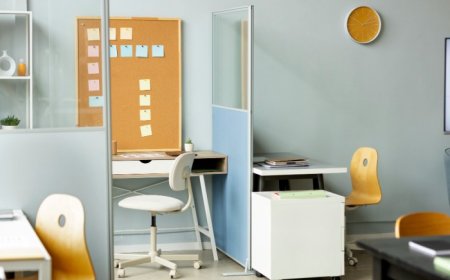
Your space should be ready to adapt. With people working from home more often and children needing different spaces over time, flexible design is essential. Use foldable screens, sliding partitions, or movable furniture to create zones that can change with your needs. A dining area can become a work corner during the day and return to its original purpose in the evening.
Check out their best Interior Design services here:
https://themsquare.com.pk/interior-designer-in-lahore/
Dont Ignore the Ceiling and Floor
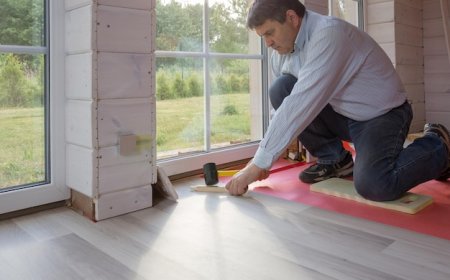
The ceiling and floor are often missed in home styling. Paint the ceiling a lighter shade of the wall color to make the room feel taller. Use rugs to define spaces and add softness underfoot. Wooden or tiled floors offer durability and elegance, especially in high-traffic areas. Adding a ceiling design like molding or a small chandelier can bring elegance to even a simple room.
Final Thought
Designing interiors with space and comfort in mind is about more than decoration. It's about creating a space that welcomes, supports, and adapts to your lifestyle. From smart furniture choices to lighting and color palettes, every detail plays a role. When style meets function, the result is a home that feels just right. Let comfort guide your design, and you'll create a space that truly feels like home simple, natural, and uniquely yours.





![Best Stock Market & Trading Courses in Delhi [2025]: Learn from the Top Institutes](https://www.bipdallas.com/uploads/images/202506/image_140x98_685a897e4b50b.jpg)