









































Control Engineering and Remote Monitoring in Building Automation Systems
In this evolving environment, Control engineering is essential for maintaining stability and performance across power systems.


Todays buildings are becoming smarter, greener, and more efficient than ever before. At the center of this transformation is Control engineeringresponsible for managing HVAC, lighting, access, and energy systems automatically. Yet without real-time visibility, even the most advanced system can fall short. Thats where remote monitoring adds its value. By combining control engineering with remote monitoring, buildings gain the ability to self-adjust, report performance issues, and respond to occupant needs instantlylaying the foundation for the future of intelligent spaces.
Optimizing HVAC and Climate Control Systems
Maintaining the right indoor environment is vital for comfort and energy efficiency. Control engineering handles tasks like regulating temperature, adjusting airflow, and maintaining humidity levels across zones in a building. With Remote monitoring integrated, facility managers can track these environmental conditions remotely. Alerts are generated when temperatures rise unexpectedly or if air quality sensors detect problems. Adjustments can be made instantly from any location, reducing energy waste while improving occupant satisfaction.
Remote Energy Management for Cost Savings
Energy consumption accounts for a significant portion of operational costs in large buildings. Control engineering already contributes by automating lighting schedules, reducing peak demand, and controlling load distribution. Remote monitoring adds another dimension by offering real-time visibility into energy use. From a central dashboard, engineers can view consumption trends, detect anomalies, and identify inefficient systems. Remote actionssuch as turning off lights or adjusting chillerscan then be executed based on live data. This integration supports sustainability goals while lowering operational expenses.
Security and Access Control Oversight
Modern buildings rely on control engineering to regulate access to different zones using electronic locks, motion detectors, and ID-based systems. When paired with remote monitoring, security reaches a new level. Live video feeds, access logs, and sensor data can be reviewed offsite. If an unauthorized entry is detected or a door remains open, control engineers can trigger lockdowns or alarms remotely. This real-time oversight ensures swift action during emergencies and strengthens overall building security protocols.
System Scalability and Centralized Management
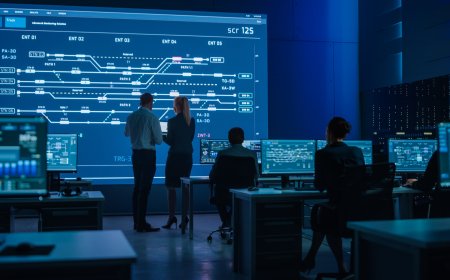
As facilities expand or multiple buildings are added to a portfolio, scalability becomes key. Control engineering enables standardized automation across locations, while remote monitoring provides centralized control. Facility managers can oversee several buildings from a single interfaceadjusting HVAC settings in one, reviewing energy use in another, and checking access points in a third. This reduces the need for on-site staff and enables more consistent operations across the organizations infrastructure.
Conclusion
Control engineering and remote monitoring are revolutionizing the way buildings are designed, managed, and maintained. From climate control to security and energy efficiency, their combined power creates environments that are not only intelligent but also adaptable and cost-effective. As smart buildings become the new norm, these technologies will form the backbone of modern facilitiesdelivering performance, convenience, and sustainability all in one unified system.






![Best Stock Market & Trading Courses in Delhi [2025]: Learn from the Top Institutes](https://www.bipdallas.com/uploads/images/202506/image_140x98_685a897e4b50b.jpg)