










































Choosing the Right Office Table for a Productive Workspace


In the modern work environment, whether its a corporate office or a home-based setup, selecting the right office table plays a significant role in enhancing productivity and comfort. Gone are the days when any flat surface with legs was considered sufficient for work. Today, businesses and professionals recognize the impact of ergonomics, functionality, and design in office furniture. One of the key elements in this evolution is the free standing table, which offers versatility, mobility, and a stylish appeal suitable for various workspaces. When considering a new desk, it's crucial to evaluate how the table will support daily tasks, improve posture, and contribute to a well-organized, aesthetically pleasing office layout.
Benefits of a Free Standing Table in Modern Office Design
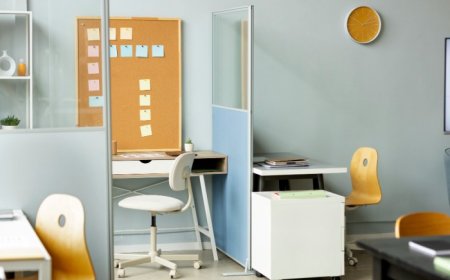
A free standing table is more than just a piece of furniture; it represents flexibility and efficiency in workspace planning. Unlike fixed or built-in desks, free standing options can be easily moved, reoriented, or even re-purposed across different rooms or departments. This adaptability is especially valuable in open-plan offices or co-working spaces where needs and team sizes change frequently. The minimalist design often associated with free standing tables also contributes to a clutter-free and breathable environment, which has been linked to better mental clarity and lower stress levels. Additionally, these tables typically come in various sizes and finishes, making it easy to find a model that complements your office interior while fulfilling functional requirements.
Ergonomics and Health Benefits of the Right Office Table
Ergonomics should never be underestimated when selecting an office table. A well-designed table ensures that your screen is at eye level, your elbows are bent at 90 degrees while typing, and your feet rest flat on the floorall of which are crucial for maintaining good posture and avoiding long-term injuries. Many free standing tables are designed with ergonomic considerations in mind, offering adjustable heights or enough space to pair with ergonomic chairs. Prolonged use of unsuitable office furniture has been linked to musculoskeletal disorders, chronic fatigue, and reduced work output. Investing in a table that supports your natural body posture can have significant benefits in terms of employee health, engagement, and overall productivity.
Design and Aesthetics: Creating an Inspiring Workspace
A well-designed office is more than just functional; it also inspires creativity, motivation, and professionalism. The aesthetics of an office table contribute directly to the ambiance of the workspace. Sleek and modern free standing tables can instantly elevate the visual appeal of any office, making it feel more contemporary and welcoming. These tables often feature elegant wood grains, polished metals, or matte laminates, which blend seamlessly into various dcor themesfrom industrial and minimalist to classic and luxurious. Choosing a table that aligns with your brand image or personal taste creates a cohesive and inviting atmosphere for both employees and visitors.
Storage and Organization: Streamlining Workflow
Although free standing tables typically dont come with built-in storage like traditional executive desks, they still offer plenty of potential for organization. Pairing your table with mobile pedestals, file cabinets, or under-desk drawers can help keep essential items within arm's reach without overcrowding the tabletop. A tidy desk reduces visual stress, improves concentration, and saves time that would otherwise be wasted looking for misplaced items. Moreover, tables with built-in cable management options can keep cords and wires from creating a tangled mess, ensuring a neat and hazard-free workspace. Investing in the right accessories alongside your office table allows you to maintain a clean and efficient work environment.
Office Table Materials and Durability: What to Consider
When selecting an office table, material choice plays a vital role in both durability and appearance. Common materials include solid wood, engineered wood (such as MDF or particleboard), metal, and glass. Solid wood offers a premium look and long-lasting strength, while engineered wood provides a budget-friendly alternative with diverse finish options. Metal frames often accompany modern free standing table designs for added stability and industrial flair. Glass tops, although stylish, require more maintenance and care. Understanding the pros and cons of each material will help you make an informed decision based on your specific needs, usage frequency, and maintenance preferences.
Space Planning and Table Dimensions: Finding the Perfect Fit
Choosing the right office table also involves assessing the available space. An oversized table in a small room can lead to a cramped, uncomfortable setup, while a table that is too small might hinder your ability to spread out documents or use multiple monitors. Measure your office space and consider the tables dimensions carefully before making a purchase. Free standing tables come in various widths and depths, making it easier to find a size that fits both your room and your work style. Consider how much legroom you need, whether the table accommodates peripherals like printers or docking stations, and if it allows for smooth movement around the space. Space planning is key to achieving a harmonious and functional layout.
Versatility and Long-Term Value of a Free Standing Table
One of the standout qualities of a free standing table is its long-term value. Since it isnt fixed to any surface, it can easily be relocated or repurposed as needed. Today it may serve as your primary workstation, and tomorrow it could be reimagined as a collaborative meeting desk or even a personal study area at home. This flexibility not only extends the life of the furniture but also adds to its return on investment. Furthermore, many free standing tables support modular design, allowing you to add or remove elements like screens, monitor arms, or desktop organizers without compromising structure or stability.
Conclusion: Investing in the Right Office Table for Lasting Impact
Choosing the right office table is an essential decision that affects not only the aesthetics of your workspace but also the comfort, health, and productivity of those who use it. Among the many available options, the free standing table has emerged as a smart, stylish, and highly functional choice for todays dynamic work environments. With its clean design, adaptability, and ergonomic advantages, it caters to both modern corporate setups and flexible home offices. Whether you're redesigning your workspace or setting up a new one from scratch, a thoughtful investment in quality office furniture can deliver lasting benefits. At Office Table, we understand these needs and offer products that blend durability, design, and performancehelping you create a workspace that truly works for you.





![Best Stock Market & Trading Courses in Delhi [2025]: Learn from the Top Institutes](https://www.bipdallas.com/uploads/images/202506/image_140x98_685a897e4b50b.jpg)