












































Bone Grafting Explained: The Foundation of Implant Reliability
Bone grafting rebuilds jaw strength for durable implant support. Get expert care and solid support before your implant journey in Camberley begins

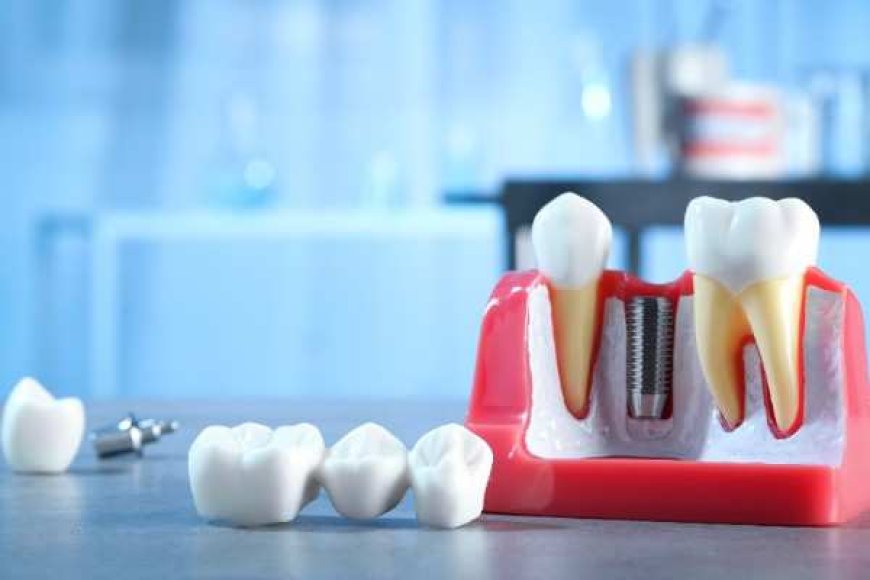
A strong, confident smile often begins with a stable foundation. Dental implants have become the preferred solution for tooth replacement in modern restorative dentistry. Yet, not every patient starts their implant journey with the bone support necessary to ensure long-term success. This is where bone grafting enters the conversation.
Though sometimes overlooked, it plays a vital role in the success and durability of dental implants. This blog explores bone grafting in detail, from its necessity to its impact on your implant journey.
What is Bone Grafting?
Bone grafting is a routine surgical procedure used to rebuild or augment jawbone where it's lacking. This is crucial for proper dental implant placement and lasting stability.
Why its needed:
- To rebuild bone lost from periodontal disease, injury, or tooth removal
- To ensure sufficient support for a dental implant
Types of graft material:
- Patients own bone (autograft)
- Donor bone (allograft)
- Animal-derived (xenograft)
- Synthetic substitutes
Though it may sound technical, bone grafting is safe, predictable, and commonly performed by skilled professionals. With proper planning, patients benefit from a strong, secure foundation for their future implants.
Why Bone Loss Happens
Bone loss in the jaw can occur for a variety of reasons. Understanding these causes highlights why grafting might be necessary before undergoing implant treatment:
- Tooth extraction:When a tooth is lost and not replaced promptly, the surrounding bone can start to shrink.
- Trauma or injury:Physical damage to the jaw may compromise bone integrity.
- Long-term denture use:Ill-fitting dentures can gradually wear down the bone beneath.
- Developmental jaw defects:Genetic factors can lead to naturally low bone density.
- Untreated infections:Certain dental infections can destroy surrounding bone if not addressed in time.
All these scenarios can create an environment where the jaw is no longer suitable to support an implant without additional intervention.
How Bone Grafting Supports Implant Reliability
Dental implants rely on a process known as osseointegration, where the titanium post fuses with the jawbone to create a stable anchor for the artificial tooth. Without sufficient bone, this integration may be compromised, increasing the risk of implant failure.
A properly executed bone graft addresses these challenges by:
- Filling voids or defects in the bone
- Rebuilding jaw volume and structure
- Providing a solid base for implant placement
- Supporting even load distribution during chewing
Working closely with a qualifieddentist in Camberley, patients can identify early signs of bone loss and act accordingly to preserve their long-term oral health.

Types of Bone Grafts Used in Dentistry
Bone grafting materials come in several forms, each with its unique advantages. The decision is based on the patients health background, the location of the graft, and the expected results.
|
Graft Type |
Source |
Common Use |
|
Autograft |
Bone from the patients own body |
Highest compatibility, encourages growth |
|
Allograft |
Donor bone from another human |
No need for second surgical site |
|
Xenograft |
Animal bone (typically bovine) |
Natural scaffold for bone regeneration |
|
Synthetic |
Lab-created bone substitutes |
Biocompatible, avoids disease transmission |
Your dentist will select the material best suited to your needs, balancing healing time, surgical complexity, and overall safety.
The Bone Grafting Procedure: What to Expect
Many patients are surprised by how straightforward the bone grafting procedure can be. Although the methods can differ slightly, the typical process includes the following steps:
- Initial Consultation:The dentist in Camberley performs X-rays or CBCT scans to evaluate the bone condition and determine the need for grafting.
- Procedure Day:Under local anaesthesia or mild sedation, the graft material is placed in the targeted area and secured.
- Implant Placement:After the area has healed adequately, the implant is surgically inserted in preparation for the final restoration.
In some cases, minor grafting may be done at the same time as implant placement, reducing overall treatment time.
Signs You Might Need a Bone Graft Before an Implant
Only a dental assessment can confirm the need for bone grafting, but some indicators include:
- Your jaw appears sunken or asymmetrical
- Your denture no longer fits as it used to
- X-rays show diminished bone height or width
- Past gum disease or infection history
If any of these apply, you may benefit from early consultation to explore bone augmentation options before moving forward with a dental implant Camberley.
Aftercare and Recovery Tips
Post-operative care plays a significant role in the success of your bone graft:
- Avoid strenuous physical activity
- Refrain from smoking or alcohol
- Use prescribed rinses or antibiotics as instructed
- Attend all scheduled check-ups
Following these steps reduces complications and speeds up healing, making you a good candidate for timely implant placement.
How Timing Affects Bone Grafting and Implant Success
Timing plays a critical role in determining the success of bone grafting and subsequent implant procedures. Acting promptly after tooth loss can significantly reduce the need for extensive grafting later.
Why timing matters:
- Early bone grafting minimises jawbone shrinkage.
- Implants placed soon after grafting often have better outcomes.
- Postponing treatment may result in higher expenses and more complicated surgical procedures.
Prompt consultation with a dentist in Camberley ensures early detection of bone loss and allows for a smoother implant process. Dont wait until visible symptoms appear, timely intervention supports both the health and longevity of your dental implant in Camberley.
The Role of Bone Grafting in Long-Term Implant Success
Implants are an investment in both health and aesthetics. Bone grafting maximises that investment by:
- Ensuring secure implant anchorage
- Preventing future bone resorption
- Improving facial symmetry and structure
- Supporting natural chewing forces
- Reducing the risk of peri-implantitis (implant-related gum issues)
A well-integrateddental implant Camberleyis not just about the visible crown but the unseen support structure underneath.
Conclusion
Bone grafting is a foundational element in implant dentistry. Though not always required, it ensures that your smile restoration begins with the strength and stability it deserves. Working closely with an experienced dental professional can help you determine whether grafting is the most suitable option for your individual needs.
In Camberley, you can access advanced techniques, quality materials, and patient-centred care that make the implant process safe, effective, and long-lasting. A reliable, beautiful smile starts from the ground up, and that ground is your jawbone.






![Best Stock Market & Trading Courses in Delhi [2025]: Learn from the Top Institutes](https://www.bipdallas.com/uploads/images/202506/image_140x98_685a897e4b50b.jpg)